
Search is no longer just about rankings.
For years, traditional search engines returned a list of links in response to a query. Users would scan those links, click through to a website, and find their answers themselves. That model still exists but it’s evolving.
AI-powered search tools now generate answers directly. Instead of simply showing links, they interpret questions, analyse information from multiple sources, and produce a summarised response.
Understanding how AI search works helps businesses prepare for this shift in visibility.
From Search Results to Generated Answers
Traditional search works by:
- Crawling and indexing web pages
- Ranking them based on relevance and authority
- Displaying results in order
- Users then decide which result to click.
AI search works differently.
When someone asks a question in a tool like ChatGPT or Google’s AI-enhanced search, the system:
- Interprets the intent behind the question
- Identifies relevant information
- Evaluates clarity and context
- Generates a structured response
The goal is not just to list options — it’s to provide a useful answer immediately.
AI Search Focuses on Understanding, Not Just Ranking
Ranking still matters, but AI systems prioritise understanding.
AI models look for:
- Clear explanations of services
- Well-organised content
- Consistent business information
- Logical relationships between pages
- Context that supports trust and authority
If a website is difficult to interpret, AI systems may struggle to determine:
- What the business actually does
- When the business is relevant
- Whether the information is reliable
Clarity becomes critical.
How AI Interprets a Website
1. Content Meaning
AI tools evaluate the language on a page to understand:
- The main topic
- Supporting topics
- The problem being solved
- Who the content is for
Clear, structured writing helps AI identify these signals more accurately.
2. Website Structure
Structure matters more than many businesses realise.
AI systems look at:
- Page hierarchy
- Headings and subheadings
- Internal linking
- Relationships between services
For example, if a website offers multiple services but doesn’t clearly separate them, AI may struggle to determine which service relates to a specific question.
A well-structured website reduces ambiguity.
3. Entities and Context
AI search tools rely heavily on entities — clearly defined “things” such as:
- A business name
- A location
- A service
- A recognised industry term
When these entities are clearly defined and consistently used, AI systems can connect the dots more confidently.
If entity signals are unclear or inconsistent, interpretation becomes weaker.
4. Trust and Consistency
AI systems also consider:
- Whether information appears consistent
- Whether services are clearly described
- Whether content reads as credible and informative
Trust signals are not just about backlinks anymore. They are also about clarity, coherence, and relevance.
How AI Search Differs from Traditional SEO
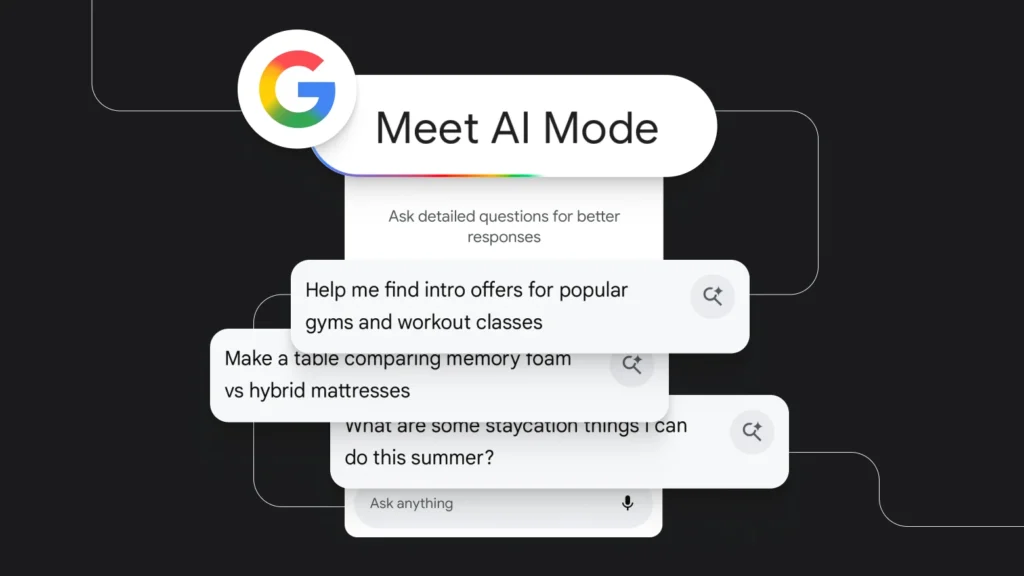
It’s important to understand that AI search does not replace SEO — but it shifts emphasis.
Traditional SEO focuses on:
- Keywords
- Rankings
- Traffic
AI search focuses on:
- Interpretation
- Context
- Relevance within a generated answer
A page may rank well but still be difficult for AI to summarise if its structure or explanations are unclear.
This is why businesses are increasingly looking beyond rankings alone.
What Happens When a User Asks a Question
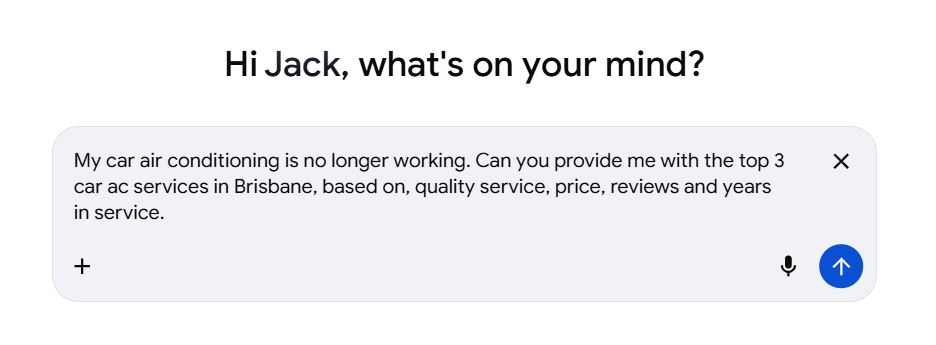
When someone types a question into an AI-powered search tool, several things happen quickly:
- The system interprets the question
- It determines the type of answer required
- It evaluates available information
- It generates a response that aligns with the question
If your business provides relevant information clearly and structurally it becomes easier for AI systems to recognise when your services are applicable.
If your website is vague, inconsistent, or poorly organised, it becomes harder for AI to confidently reference it.
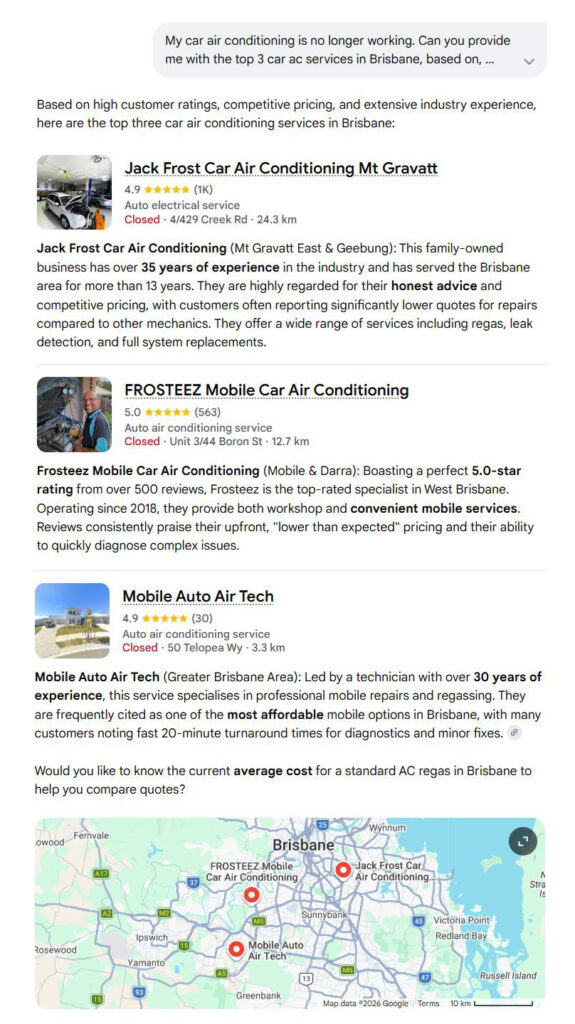
Why Clarity Matters More Than Ever
In traditional search, users scanned results manually. They could interpret ambiguity themselves.
In AI search, systems interpret on behalf of the user.
This means:
- Clear service descriptions matter
- Logical page structure matters
- Consistent business information matters
AI search rewards websites that communicate clearly
Is AI Search Replacing Traditional Search?
Not entirely. Traditional search still drives significant traffic. Many users still prefer browsing and comparing options manually.
However, AI-generated responses are becoming more common, especially for:
- Informational queries
- Service comparisons
- Explanatory questions
Businesses that prepare for AI search early are better positioned as these behaviours increase.
What This Means for Businesses
AI search changes how visibility works.
It’s no longer enough to:
- Target keywords
- Build backlinks
- Optimise metadata
Websites must also:
- Be clearly structured
- Explain services plainly
- Use consistent terminology
- Define entities accurately
AI systems reward clarity over complexity.
Preparing for AI Search
Preparation does not require a full website rebuild.
In many cases, improvements focus on:
- Structure
- Content clarity
- Entity alignment
- Internal relationships between pages
These changes make websites easier for both humans and AI systems to understand.
Final Thoughts
AI search works by interpreting, not just indexing.
It looks for clarity, structure, and relevance to determine when a business should be referenced in a generated answer.
While traditional SEO remains important, businesses that focus on understanding — not just ranking — are better prepared for the direction search is moving.
Learning how AI search works is the first step.
Improving clarity is the next.
Frequently Asked Questions
How does AI search actually work?
AI search works by combining natural language understanding, real-time information retrieval and content synthesis. Instead of returning a list of links, AI systems interpret a user’s question, retrieve relevant sources, compare them and generate a structured answer.
The goal is not just to rank pages but to produce a direct response.
What is the difference between AI search and traditional search engines?
Traditional search engines rank web pages based on signals like keywords, backlinks and authority. AI search engines generate answers by extracting information from multiple sources and synthesising it into one response.
Traditional search shows options. AI search shows conclusions.
How do AI search engines choose which sources to cite?
AI systems prioritise sources that demonstrate:
- Clear entity definition
- Structured, extractable content
- Consistent positioning
- External authority signals
- Up-to-date information
If content is difficult to interpret or lacks credibility signals, it is less likely to be included.
Do AI search engines replace SEO?
No.
AI search builds on SEO. Traditional SEO helps search engines discover and rank your pages. AI search optimisation ensures your content is structured and authoritative enough to be cited in AI-generated answers.
The strongest strategy integrates both.
Why is structured content important for AI search?
AI systems extract information from clearly organised content. Pages that use logical headings, concise definitions, lists, FAQs and structured formatting are easier for AI models to interpret and summarise.
Unstructured content reduces inclusion probability. Structure increases eligibility.
How can businesses improve their visibility in AI search results?
To improve AI search visibility:
- Clearly define your services and expertise
- Structure content for answer extraction
- Implement schema markup
- Build external mentions and authority
- Maintain consistent positioning across platforms
AI visibility is earned through clarity, structure and credibility
Share