Home » Learn AI Search » How AI Search Works » Google Gemini Search Explained
Google Gemini Search Explained
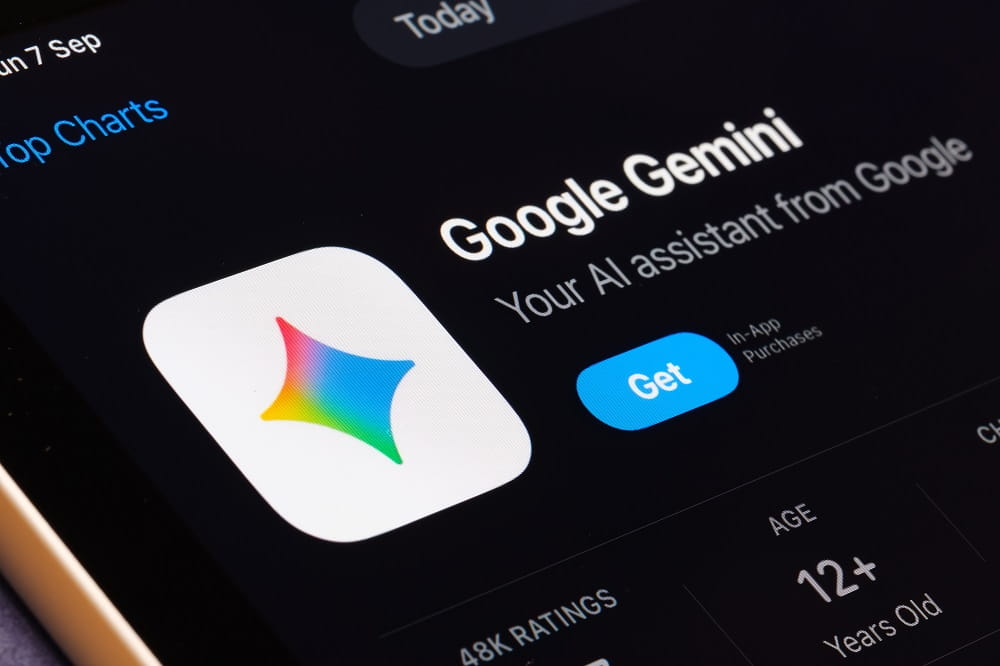
Search is evolving.
Google’s traditional search engine is no longer limited to listing blue links. With the introduction of AI-powered features such as Gemini driven search experiences, Google is moving toward generating answers directly within the search results.
For businesses, this shift changes how visibility works.
Understanding how Google Gemini search functions and how it differs from traditional Google search is essential for preparing your website for the future of search.
What Is Google Gemini Search?
Google Gemini refers to Google’s AI system that powers conversational and generative search experiences.
Instead of simply returning a list of links, AI-enhanced Google search can:
- Summarise information directly in search results
- Generate contextual answers
- Compare services or options
- Provide step-by-step explanations
- Pull insights from multiple sources at once
The goal is to provide faster, more helpful responses without requiring users to click through multiple pages.
How Traditional Google Search Works

Traditional Google search follows a familiar process:
- Google crawls and indexes websites
- It ranks pages based on relevance and authority
- It displays results in order
Users then decide which link to click.
This system rewards:
- Keyword targeting
- Technical optimisation
- Backlinks
- Authority signals
Ranking well means more traffic.
How Gemini-Enhanced Search Differs
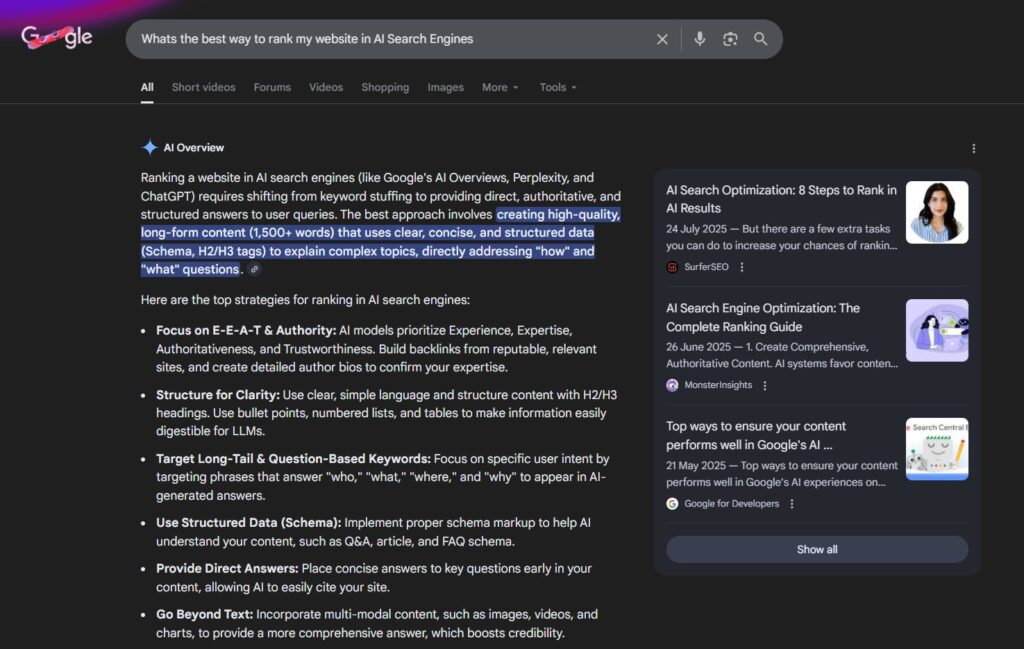
Gemini-enhanced search introduces a new layer.
Instead of simply ranking links, Google may now:
- Interpret the question in conversational form
- Generate a summarised answer
- Cite multiple sources
- Display insights above traditional results
Google Gemini AI Search
Understanding how Gemini discovers, selects and presents businesses inside AI-powered Google search.
This means users are now receiving a large portion — and in many cases the entirety of their answers directly on the search results page itself.
Between AI Overviews, featured snippets, knowledge panels, People Also Ask boxes, and generative summaries, Google is increasingly resolving intent without requiring the user to click through to a website.
As a result, rankings alone no longer guarantee traffic.
You can hold position #1 and still experience declining click-through rates. Visibility does not automatically equal visits anymore.
This is likely why, over the past 12–24 months (2024–2026), you may have noticed a sharp drop in clicks inside Google Search Console even if your impressions remained steady or increased.
The search landscape has shifted from:
- “Rank high → get clicks”
to - “Be referenced → be summarised → be trusted by AI”
Traffic is no longer purely a function of position.
It’s increasingly a function of:
- How clearly your content answers questions
- How structured your information is
- Whether AI systems understand your authority
- Whether your brand is cited, summarised, or recommended
In other words, search is moving from a traffic model to a visibility and influence model.
And businesses that adapt to this shift early will not only survive declining click-through rates they’ll become the sources AI relies on.
From Ranking to Interpretation
Traditional SEO asks:
“How do we rank for this keyword?”
AI-enhanced search asks:
“Does this content clearly answer the question?”
This is a subtle but important shift.
Ranking remains important, but clarity and structure now influence whether content is interpreted and surfaced in AI-generated summaries.
How Gemini Interprets Content
Gemini-powered search looks beyond keywords. It evaluates:
- Clarity of explanations
- Logical page structure
- Context around services
- Consistency of information
- Depth and usefulness of content
If content is vague or overly promotional, AI systems may struggle to summarise it effectively.
Clear, well-structured information is easier to interpret.
Why Website Structure Matters More Now
AI systems rely heavily on structure to understand meaning.
This includes:
- Clear headings
- Defined service pages
- Logical hierarchy
- Internal linking relationships
For example, if a business provides multiple services but doesn’t clearly separate them, AI systems may not confidently surface that business in response to a specific service query.
Structure reduces ambiguity.
Does Gemini Replace SEO?
No. Traditional SEO remains critical because:
- Google still ranks pages
- Users still click links
- Authority and trust signals still matter
However, SEO alone is no longer enough.
Websites also need to be interpretable by AI systems that summarise and generate answers.
- SEO drives visibility.
- Clarity supports interpretation.
Together, they strengthen performance.
What This Means for Businesses
Google Gemini search changes the landscape in several ways:
- Answers Appear Before Links
AI summaries may appear at the top of search results, reducing reliance on traditional rankings alone. - Clarity Influences Visibility
Content that clearly explains services and processes is easier for AI to summarise. - Structure Supports Understanding
Websites with clean organisation and defined service pages are easier for AI to interpret. - Authority Still Matter
Trust and credibility remain important, but clarity now plays a larger role in how content is surfaced.
Google Gemini (New) vs ChatGPT vs Perplexity
Each platform uses a different model to discover and recommend businesses. Optimisation strategy depends on understanding the mechanics.
Google Gemini
ChatGPT
Perplexity
How to Prepare for AI-Enhanced Google Search
Preparation does not require a complete rebuild.
- Most improvements focus on:
- Clarifying service descriptions
- Improving website structure
- Strengthening entity signals
- Ensuring consistent terminology
- Reducing ambiguity
These changes benefit both traditional SEO and AI-powered search
Are AI Summaries Permanent?
Google continues to refine how AI-generated summaries appear in search results.
Features evolve over time. However, the broader direction is clear: search is becoming more conversational and answer-driven.
Businesses that prioritise clarity and structured information are better positioned regardless of interface changes.
Will AI Reduce Website Traffic?
It may reduce certain types of traffic, particularly informational queries where users receive full answers directly in search.
However, for:
- Service-based queries
- Comparison-based queries
- Decision-making queries
Clear visibility in AI-generated summaries can increase brand awareness and trust.
Visibility shifts from clicks alone to recognition and authority.
Final Thoughts
Google Gemini search builds on traditional SEO it does not replace it.
However, it changes how visibility is earned.
AI-enhanced search prioritises clarity, structure, and contextual relevance.
Businesses that communicate clearly and organise their websites effectively are more likely to be interpreted accurately in AI-generated responses.
Search is becoming more conversational.Understanding is becoming more important than ranking alone.
Frequently Asked Questions
What is Google Gemini?
Google Gemini is Google’s AI-powered generative system that enhances search by understanding natural language, retrieving relevant information and generating direct answers. It blends traditional search signals with AI reasoning to provide a more conversational and contextual search experience.
How does Google Gemini differ from traditional Google Search?
Traditional Google Search ranks web pages based on SEO signals like keywords, backlinks and content relevance.
Google Gemini goes further it uses AI to interpret user intent, synthesize structured answers and present concise responses, often without requiring a click through to websites.
Does Google Gemini use live web data?
Yes. Google Gemini builds on Google’s real-time search index, meaning it can surface up-to-date information from the web and integrate it into AI-generated responses. This makes Gemini both contextually aware and current a key distinction from models trained only on static datasets.
How does Google Gemini find and recommend businesses?
Gemini uses Google’s existing entity graph, structured data, ranking signals and content relevance to identify businesses that match a user’s query. Clear metadata, well-structured content and strong SEO foundations help Gemini interpret your website and include you in AI-driven responses.
Do I need SEO to appear in Google Gemini responses?
Absolutely. SEO remains foundational. While Gemini uses AI to generate answers, it still relies on Google’s search index, structured signals and content quality. Strong SEO including clear headings, schema, entity clarity and topical authority increases the likelihood of being cited within Gemini’s generated outputs.
How can businesses optimise for visibility in Google Gemini search?
To improve visibility with Google Gemini:
- Clearly define your brand and services
- Structure content for interpretation (headings, definitions, FAQs)
- Implement relevant schema markup
- Build topical authority and external mentions
- Maintain accurate, up-to-date content
Optimisation is not about targeting Gemini specifically it’s about building a content and technical foundation AI can interpret confidently.
Share